
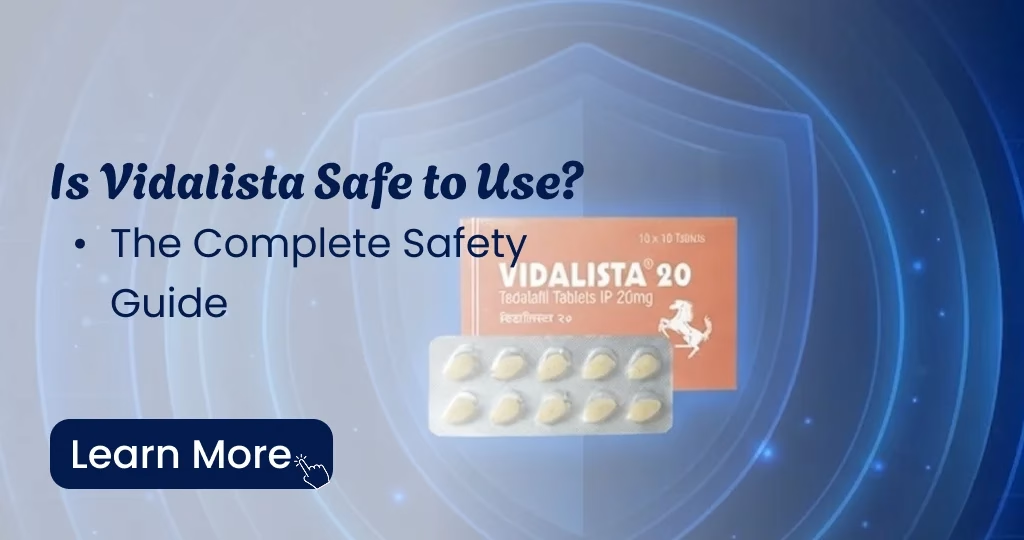
Vidalista is a tadalafil-based medication that’s commonly discussed online for erectile dysfunction (ED). If you’re here, you’re likely asking a very reasonable question: “Is Vidalista safe for me?”
Safety with any ED medication is not just about side effects—it’s about your heart health, other medicines you take, and whether you’re using a product that is legitimate and properly prescribed. This guide breaks down what “safe” actually means, who should be cautious, and how to make a smart decision with a healthcare professional.
Important: This content is educational, not medical advice. Only a licensed clinician can confirm if tadalafil (the active ingredient in Vidalista) is safe for you.
What Does “Safe” Mean With ED Medication?
When doctors say a medication is “safe,” they usually mean:
- It’s appropriate for your health profile (heart, blood pressure, liver/kidney function)
- It doesn’t interact dangerously with other medications
- The dose fits your needs, and your body can tolerate it
- You’re using a regulated, legitimate product rather than a counterfeit
Most problems happen when one of these conditions isn’t met—especially medication interactions and unverified product sources.
What Is Vidalista and Why Safety Checks Matter
Vidalista contains tadalafil, a PDE5 inhibitor. PDE5 inhibitors can affect blood vessels and blood pressure. For many men, that’s fine under clinical guidance. For others—particularly those with specific heart conditions or on certain medications—this is exactly why a safety screen is important.
If ED is present, it can also sometimes be a sign of underlying cardiovascular risk. So a safety conversation can protect you in more ways than one.
Who Can Often Use Tadalafil Safely?
Many men can take tadalafil safely when:
- They do not take nitrate medications
- They have stable heart health
- Their blood pressure is reasonably controlled
- They aren’t taking medications that create risky interactions
- They use the medication under medical guidance
But “often safe” is not the same as “safe for everyone.” The next section matters most.
Who Should NOT Use Tadalafil Without Medical Clearance?
You should speak to a clinician first (and may be advised to avoid it) if you:
- Have chest pain, unstable angina, or severe heart disease
- Had a heart attack or stroke recently
- Have uncontrolled high blood pressure or very low blood pressure
- Have serious liver or kidney disease
- Have certain rare eye conditions affecting vision
- Experience fainting, severe dizziness, or shortness of breath with exertion
- Are advised to avoid sexual activity due to heart risk
Even if you feel “fine,” these conditions change what safe use looks like.
The Biggest Safety Issue: Medication Interactions
This is where most real danger comes from. The most critical interaction category:
Nitrates (Do Not Combine)
If you take nitrates (often used for chest pain/angina), tadalafil can cause a dangerous drop in blood pressure. This combination is widely considered unsafe.
Other Meds That Require Caution
A clinician may need to adjust the dose or monitor you closely if you take:
- Certain blood pressure medications
- Alpha blockers (often used for prostate/BP)
- Certain antifungals, antibiotics, or antiviral medicines that change tadalafil levels
The safest move is to provide your full medication list to a clinician—including supplements.
Is Vidalista Safe If You Have High Blood Pressure?
Many men with controlled blood pressure can use tadalafil safely under medical guidance. The key factors are
- Whether your BP is stable
- What BP medications do you take
- Whether you experience dizziness or faintness
If you are on multiple BP meds or have symptoms like lightheadedness, a clinician may recommend extra caution or a different plan.
Is Vidalista Safe If You Have Diabetes?
ED is common with diabetes due to blood vessel and nerve changes. Many diabetic patients use PDE5 inhibitors successfully, but “safe” depends on:
- Heart health (diabetes increases cardiovascular risk)
- Kidney function
- Other medications
A clinician can assess overall cardiovascular safety and ensure you aren’t missing a bigger health issue.
Is Vidalista Safe for Older Men?
Age alone doesn’t decide safety. What matters is:
- Heart health
- Kidney/liver function
- Medication list
- Blood pressure stability
Older adults are also more likely to be on interacting medications, which is why medical review is especially important.
How to Tell If a Vidalista Product Is Legitimate
This is a huge part of safety: counterfeit ED medications are common online.
To reduce risk, look for:
- Proper labeling and consistent packaging
- Manufacturer details and batch/lot information
- Avoidance of “too good to be true” claims (instant cures, guaranteed results)
- Medical oversight and a reputable pharmacy pathway
If a product looks suspicious, safety is unknown—regardless of what the label says.
A Practical “Safety Checklist” Before You Use Any ED Medication
Use this checklist as a conversation guide with a healthcare professional:
Your health
- Do you have chest pain, heart disease, or shortness of breath with minimal effort?
- Have you had a stroke/heart attack recently?
- Is your blood pressure controlled?
Your medications
- Are you on nitrates?
- Do you take alpha blockers or multiple BP medications?
- Are you on antifungals/antivirals/antibiotics currently?
Your situation
- Is your erectile dysfunction sudden and new, which could signal health changes?
- Do you have diabetes, kidney disease, or liver disease?
If any of these raise concerns, don’t guess—get clinical input.
When to Seek Medical Help Immediately
Even if you’re only researching, it helps to know the “urgent” signs:
- Chest pain or severe shortness of breath
- Fainting or severe dizziness
- Sudden vision or hearing changes
- Any severe allergic reaction
If any of these occur, urgent care is appropriate.
What to Ask a Clinician (So You Get a Clear Answer Fast)
Bring these questions to your appointment:
- “Is tadalafil safe with my current medications?”
- “What dose is appropriate for me?”
- “Do I need any heart or blood pressure evaluation first?”
- “Could my ED be caused by another health issue?”
- “Are there safer alternatives for my profile?”
This keeps the visit efficient and focused.
Final Takeaway: Is Vidalista Safe?
For many men, tadalafil can be used safely when medically appropriate, not mixed with contraindicated drugs (especially nitrates), and obtained from legitimate sources. The fastest route to a confident answer is a simple safety review with a healthcare professional—especially if you have heart risk, take BP meds, or have diabetes.
If you want your ED plan to be both safe and effective long-term, don’t treat it as a one-time purchase decision. Treat it as a health decision with the right screening and support.
FAQS
Is Vidalista safe for most men to use?
Vidalista can be safe for many men when used under medical guidance. Safety depends on heart health, blood pressure, current medications, and overall health status. Men taking nitrates or with serious heart conditions should avoid it.
Who should not use Vidalista?
Men with a recent heart attack or stroke, severe heart disease, uncontrolled blood pressure, serious liver or kidney disease, or those using nitrate medications should not use Vidalista without strict medical approval due to safety risks.
Is Vidalista safe with blood pressure medications?
Vidalista may be used with some blood pressure medicines, but caution is required. It can enhance blood pressure–lowering effects, leading to dizziness or fainting. A healthcare provider should always review your medication list before use.
Is Vidalista safe for long-term use?
Long-term use of tadalafil may be considered safe for some men when monitored by a clinician. Regular health checkups are important to ensure heart health and proper dosage, as well as to avoid interactions or hidden medical risks.
How can I use Vidalista more safely?
To use Vidalista safely, follow the prescribed dosage, avoid mixing with nitrates or excess alcohol, use products from legitimate sources, and consult a healthcare professional—especially if you have heart issues, diabetes, or take other medications.
References: healthline.com, webmd.com

