
Anti Biotic
-
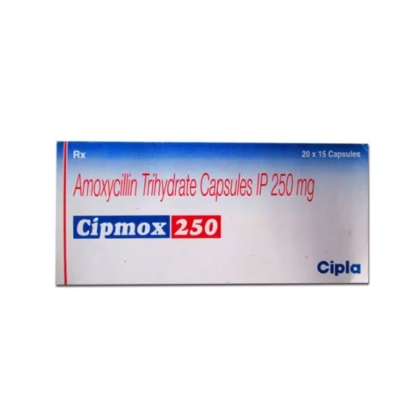
Cipmox 250 mg (Amoxicillin)
Anti Biotic5 reviewsPrice range: $5.00 through $67.00 Select options This product has multiple variants. The options may be chosen on the product page -
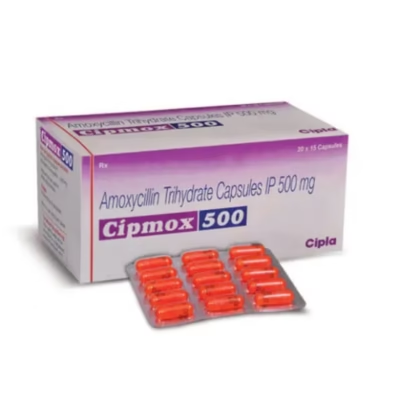
Cipmox 500 mg (Amoxicillin)
Anti Biotic5 reviewsPrice range: $11.00 through $143.00 Select options This product has multiple variants. The options may be chosen on the product page -
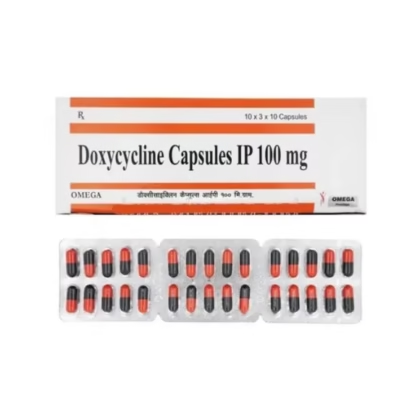
Doxycycline 100 mg Capsule
Anti Biotic5 reviewsPrice range: $20.00 through $240.00 Select options This product has multiple variants. The options may be chosen on the product page -
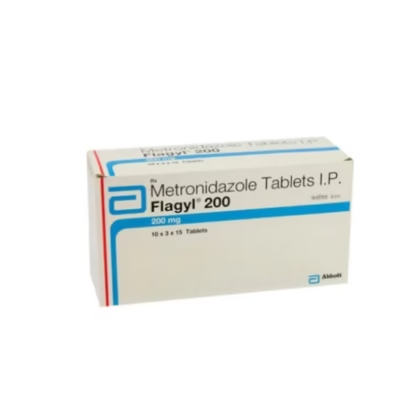
Flagyl 200 mg (Metronidazole)
Anti Biotic4 reviewsPrice range: $5.00 through $61.00 Select options This product has multiple variants. The options may be chosen on the product page -
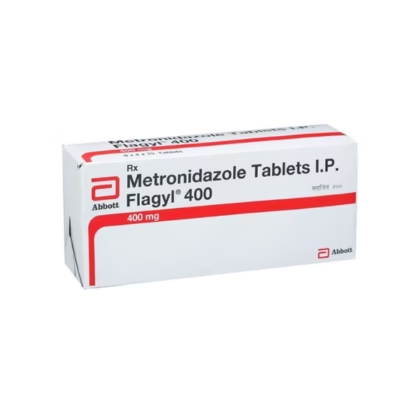
Flagyl 400 mg (Metronidazole)
Anti Biotic4 reviewsPrice range: $25.00 through $250.00 Select options This product has multiple variants. The options may be chosen on the product page -
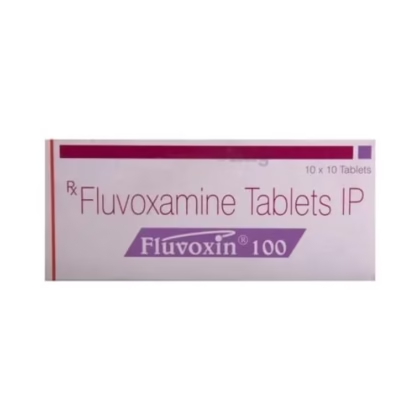
Fluvoxin 100 mg (Fluvoxamine Maleate)
Anti Biotic5 reviewsPrice range: $27.00 through $310.00 Select options This product has multiple variants. The options may be chosen on the product page -
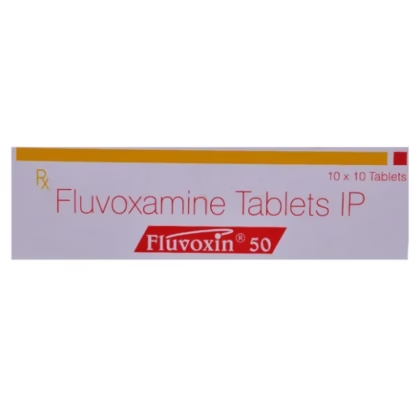
Fluvoxin 50 mg (Fluvoxamine Maleate)
Anti Biotic4 reviewsPrice range: $23.00 through $255.00 Select options This product has multiple variants. The options may be chosen on the product page -
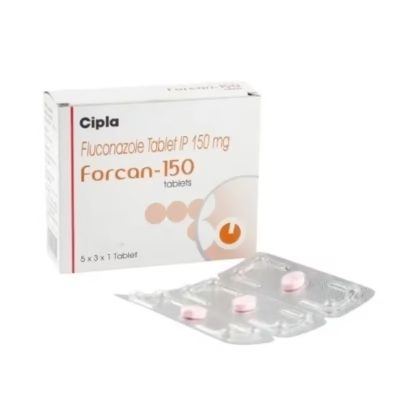
Forcan 150 mg (Fluconazole)
Anti Biotic4 reviewsPrice range: $38.00 through $450.00 Select options This product has multiple variants. The options may be chosen on the product page -
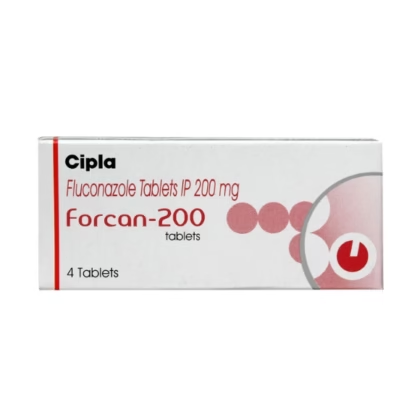
Forcan 200 mg (Fluconazole)
Anti Biotic4 reviewsPrice range: $34.00 through $456.00 Select options This product has multiple variants. The options may be chosen on the product page -
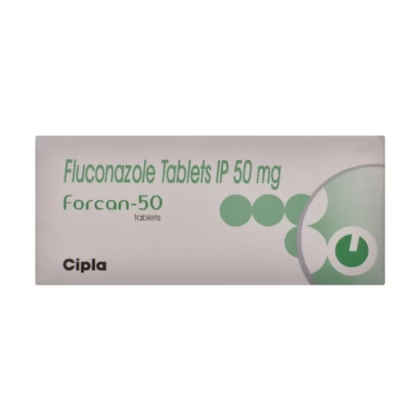
Forcan 50 mg (Fluconazole)
Anti Biotic4 reviewsPrice range: $18.00 through $225.00 Select options This product has multiple variants. The options may be chosen on the product page -
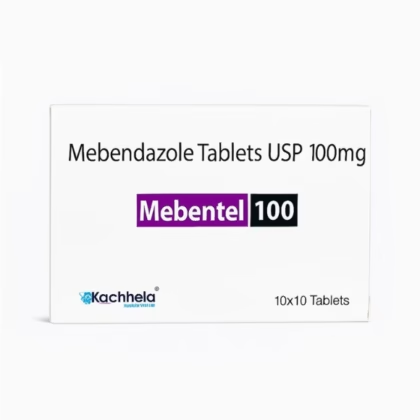
Mebentel 100 mg (Mebendazole)
Anti Biotic5 reviewsPrice range: $20.00 through $125.00 Select options This product has multiple variants. The options may be chosen on the product page -
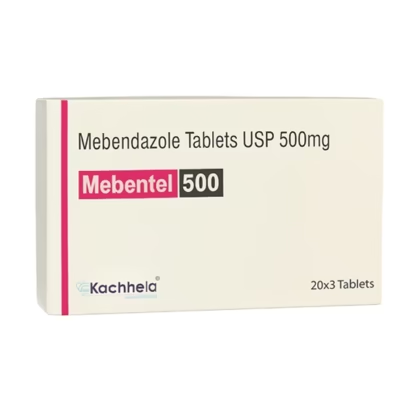
Mebentel 500 mg (Mebendazole)
Anti Biotic5 reviewsPrice range: $30.00 through $240.00 Select options This product has multiple variants. The options may be chosen on the product page -
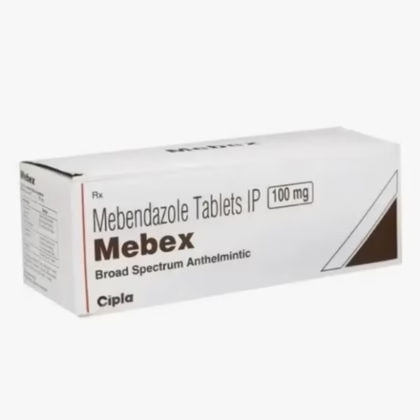
Mebex 100 mg (Mebendazole)
Anti Biotic3 reviewsPrice range: $25.00 through $215.00 Select options This product has multiple variants. The options may be chosen on the product page -
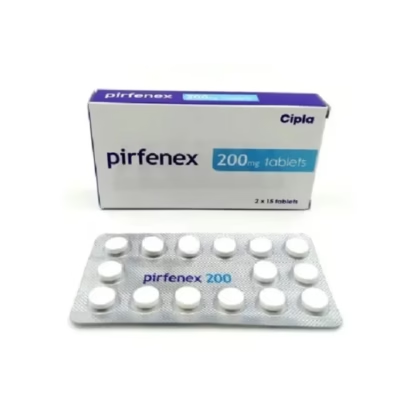
Pirfenex 200 mg (Pirfenidone)
Anti Biotic7 reviewsPrice range: $60.00 through $581.00 Select options This product has multiple variants. The options may be chosen on the product page -
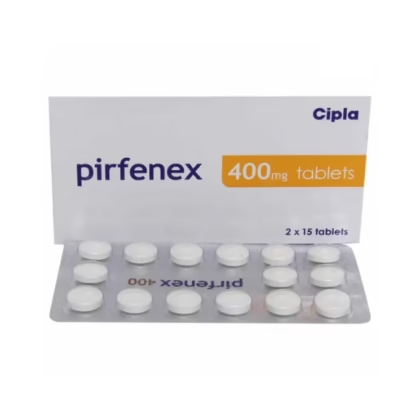
Pirfenex 400 mg (Pirfenidone)
Anti Biotic7 reviewsPrice range: $70.00 through $600.00 Select options This product has multiple variants. The options may be chosen on the product page
Antibiotics are prescription medicines that kill susceptible bacteria or stop them from multiplying. This category includes multiple antibiotic classes, ingredients, strengths and dosage forms used for diagnosed bacterial infections. The correct product depends on the infection site, likely organism, test results, allergy history and local resistance patterns.
Conditions Treated with Antibiotics
Depending on the active ingredient, antibiotics may be prescribed for:
- Respiratory, throat, ear or sinus infections
- Urinary and kidney infections
- Skin and soft-tissue infections
- Dental infections
- Selected sexually transmitted bacterial infections
- Certain intestinal or anaerobic infections
Antibiotics do not treat viral conditions such as colds and flu.
Main Types of Antibiotics
This category may include penicillins such as amoxicillin, macrolides such as azithromycin, tetracyclines such as doxycycline, cephalosporins, fluoroquinolones and other antibacterial agents. Some products combine two ingredients, such as amoxicillin with clavulanic acid.
Each class targets bacteria differently. One antibiotic cannot be substituted for another simply because the symptoms appear similar.
How Do Antibiotics Work?
Different antibiotic groups use different mechanisms. Some damage the bacterial cell wall, while others block protein production, DNA processes or metabolic pathways. The treatment must match bacteria that are likely to be susceptible.
Dosage and Available Forms
Antibiotics may be available as tablets, capsules, dispersible tablets, liquids, creams, eye preparations or injections. Dose and treatment duration depend on the infection, age, kidney or liver function and clinical response.
Follow the label exactly. Do not share antibiotics, use leftovers or save tablets for a future illness.
Side Effects and Antibiotic Resistance
Nausea, diarrhoea, stomach discomfort and rash are possible. Seek emergency help for breathing difficulty, facial swelling or a severe blistering rash. Severe or persistent watery diarrhoea during or after treatment also requires medical attention.
Unnecessary or incorrect use allows bacteria to become resistant. This can make future infections harder to treat.
Frequently Asked Questions
Which antibiotic is best for an infection?
There is no single best antibiotic. Selection depends on the infection, bacteria, allergies and resistance risk.
Can antibiotics treat a cold?
No. Colds are caused by viruses and do not improve with antibiotics.
Should the prescribed course be completed?
Follow the exact duration currently advised by the prescriber; do not stop or extend treatment on your own.
Can I use antibiotics left over from an earlier illness?
No. The medicine may be unsuitable, expired or insufficient for the new infection and could delay effective treatment.
What should I do if I miss an antibiotic dose?
Check the patient leaflet or ask a pharmacist. Do not automatically take two doses together.
Why do antibiotics sometimes cause diarrhoea?
Antibiotics can disturb normal gut bacteria. Seek medical advice if diarrhoea is severe, persistent, bloody or occurs with fever.