
Hydroxychloroquine
-
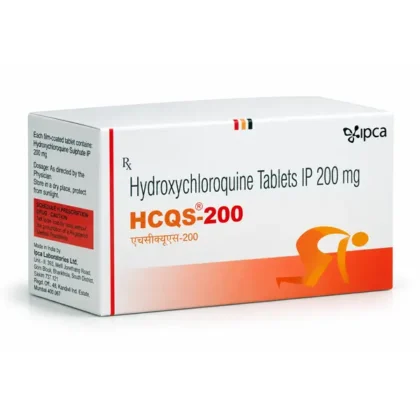
HCQS 200 mg (Hydroxychloroquine Sulfate)
Hydroxychloroquine8 reviewsPrice range: $11.00 through $160.00 Select options This product has multiple variants. The options may be chosen on the product page -
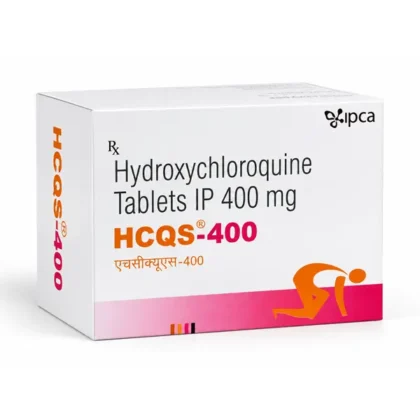
HCQS 400 mg (Hydroxychloroquine Sulfate)
Hydroxychloroquine6 reviewsPrice range: $39.00 through $575.00 Select options This product has multiple variants. The options may be chosen on the product page -
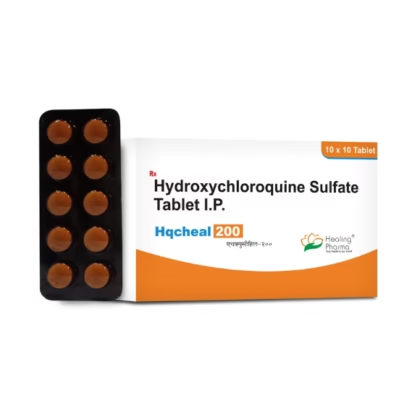
HQCheal 200 mg (Hydroxychloroquine Sulfate)
Hydroxychloroquine7 reviewsPrice range: $55.00 through $355.00 Select options This product has multiple variants. The options may be chosen on the product page -
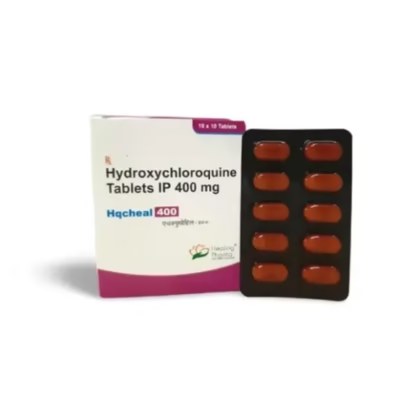
HQCheal 400 mg (Hydroxychloroquine Sulfate)
Hydroxychloroquine5 reviewsPrice range: $60.00 through $450.00 Select options This product has multiple variants. The options may be chosen on the product page
Hydroxychloroquine is a prescription medicine used for selected autoimmune conditions and for malaria where parasites remain sensitive. This category includes hydroxychloroquine tablets from different manufacturers and in different pack quantities. Treatment requires appropriate dosing and monitoring, especially when used long term.
What Is Hydroxychloroquine Used For?
Hydroxychloroquine may be prescribed for:
- Rheumatoid arthritis
- Systemic and discoid lupus erythematosus
- Prevention or treatment of sensitive malaria infections
Malaria resistance differs by region, so hydroxychloroquine is not appropriate for every travel destination or parasite strain. It is not recommended for preventing or treating COVID-19.
How Does Hydroxychloroquine Work?
In autoimmune disease, hydroxychloroquine modifies immune activity and helps reduce inflammation, joint symptoms and disease flares. Benefits can take several weeks or months to become noticeable.
Against malaria, it interferes with processes inside susceptible parasites. This mechanism is separate from its immune-modifying action.
Available Products and Strengths
Hydroxychloroquine brands can differ in manufacturer, tablet appearance, inactive ingredients and pack size. Check the exact hydroxychloroquine strength on the prescription. Hydroxychloroquine and chloroquine are different medicines and must not be substituted.
How to Take Hydroxychloroquine
Take the prescribed dose with food or milk to reduce stomach upset. Long-term users should take it consistently and should not stop simply because improvement is slow or symptoms have settled. Antacids may need to be separated by several hours.
Eye Monitoring, Side Effects and Interactions
Nausea, stomach pain, diarrhoea, headache and skin rash can occur. Long-term or high cumulative exposure can rarely damage the retina, so baseline and follow-up eye screening may be required.
Hydroxychloroquine can also lower blood glucose and affect heart rhythm in susceptible patients. Tell the prescriber about digoxin, diabetes medicines, seizure treatments, antacids and medicines that prolong the QT interval.
Frequently Asked Questions
Why are eye examinations needed?
Screening helps detect early retinal changes before noticeable vision loss occurs.
Is hydroxychloroquine the same as chloroquine?
No. They are related but different medicines with different dosing and safety profiles.
How quickly does it help arthritis or lupus?
Benefits often develop gradually over several weeks or months.
Should hydroxychloroquine be taken with food?
It is commonly taken with food or milk to reduce nausea and stomach discomfort.
Can hydroxychloroquine affect blood sugar?
Yes. It can lower blood glucose in some people, so symptoms such as sweating, shakiness or confusion require attention.
Can hydroxychloroquine be stopped suddenly?
Do not stop long-term treatment without medical advice, as the underlying autoimmune condition may become more active.