
Blood Pressure
-

Inditel 20 mg (Telmisartan)
Blood Pressure3 reviewsPrice range: $60.00 through $500.00 Select options This product has multiple variants. The options may be chosen on the product page -
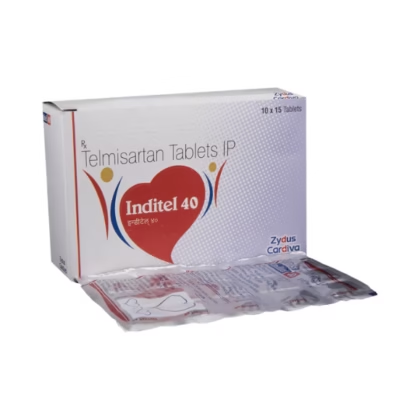
Inditel 40 mg (Telmisartan)
Blood Pressure3 reviewsPrice range: $60.00 through $500.00 Select options This product has multiple variants. The options may be chosen on the product page -

Inditel 80 mg (Telmisartan)
Blood Pressure4 reviewsPrice range: $65.00 through $500.00 Select options This product has multiple variants. The options may be chosen on the product page -

Telmaheal 20 mg (Telmisartan)
Blood Pressure3 reviewsPrice range: $20.00 through $175.00 Select options This product has multiple variants. The options may be chosen on the product page -

Telmaheal 40 mg (Telmisartan)
Blood Pressure4 reviewsPrice range: $20.00 through $170.00 Select options This product has multiple variants. The options may be chosen on the product page -

Telmaheal 80 mg (Telmisartan)
Blood Pressure3 reviewsPrice range: $25.00 through $185.00 Select options This product has multiple variants. The options may be chosen on the product page
Blood pressure medicines help control hypertension and reduce the long-term risk of stroke, heart disease, kidney damage and other complications. This category contains several drug classes, individual ingredients and combination tablets. Treatment is chosen according to blood-pressure readings, age, other conditions and response.
Types of Blood Pressure Medicines
Common groups include:
- ACE inhibitors: reduce the effect of hormones that tighten blood vessels
- ARBs: block angiotensin II and help vessels relax
- Calcium-channel blockers: reduce calcium entry into vessel walls
- Diuretics: help remove excess salt and water
- Beta blockers: slow the heart and reduce its workload
- Combination tablets: contain two or more ingredients in fixed strengths
Some medicines are also prescribed for heart failure, angina, irregular heartbeat or kidney protection in selected patients.
How Do These Medicines Work?
Antihypertensive medicines lower pressure through different pathways. They may widen arteries, reduce fluid volume, slow the heartbeat or block hormones that raise blood pressure. Many patients need more than one type to reach an appropriate target.
Strengths and Treatment Selection
Products in this category can vary by active ingredient, strength, release type and combination. A normal reading while taking treatment often means the medicine is working; it does not mean the condition has disappeared.
Use only the prescribed product and do not replace a combination tablet with separate medicines without professional guidance.
Use, Monitoring and Side Effects
Take treatment consistently and do not stop suddenly. Kidney function, electrolytes, pulse or home blood-pressure readings may need monitoring.
Side effects differ by class. Possible examples include dizziness, ankle swelling, cough, increased urination, tiredness or a slow pulse. Pregnancy, kidney disease, asthma, gout and heart-rhythm problems can affect the choice of medicine.
Frequently Asked Questions
Why are there so many blood-pressure medicines?
They work in different ways, allowing treatment to be matched to the patient and combined when necessary.
Can I stop when my reading is normal?
No. Discuss any change with the prescriber because stopping may allow blood pressure to rise again.
Are combination tablets stronger?
They combine mechanisms, but suitability depends on the individual ingredients and prescribed strengths.
What is the best time to take blood-pressure medicine?
The best time depends on the medicine and treatment plan. Take it consistently at the time recommended by the prescriber.
What happens if I miss a dose?
Follow the product leaflet or ask a pharmacist. Do not double the next dose unless specifically instructed.
Do blood-pressure medicines require monitoring?
Some require blood-pressure checks, blood tests, kidney monitoring, electrolyte tests or pulse checks, depending on the drug class.